
What Are Flavonoids?
Your Complete Guide to Nature’s Protective Compounds
Understanding Flavonoids: Nature's Most Powerful Plant Compounds
Flavonoids are natural compounds found in plants that give many fruits and vegetables their vibrant colors. These powerful plant compounds, also known as phytonutrients, do far more than create the deep red in cherries, the purple in grapes, or the bright orange in oranges.
When you consume flavonoids, you’re getting the same protective benefits that help plants defend against disease, insects, and environmental stress. Understanding flavonoids benefits can help you make better choices about the foods you eat and supplements you consider.
Best Sources of Flavonoids: Where to Find These Natural Antioxidants
Flavonoids foods are found in thousands of different plants, but some sources provide exceptionally high concentrations of these beneficial compounds. The highest concentrations of flavonoids are often found in the parts of plants we typically discard like grape skins, onion peels, and the white pith under citrus peels.
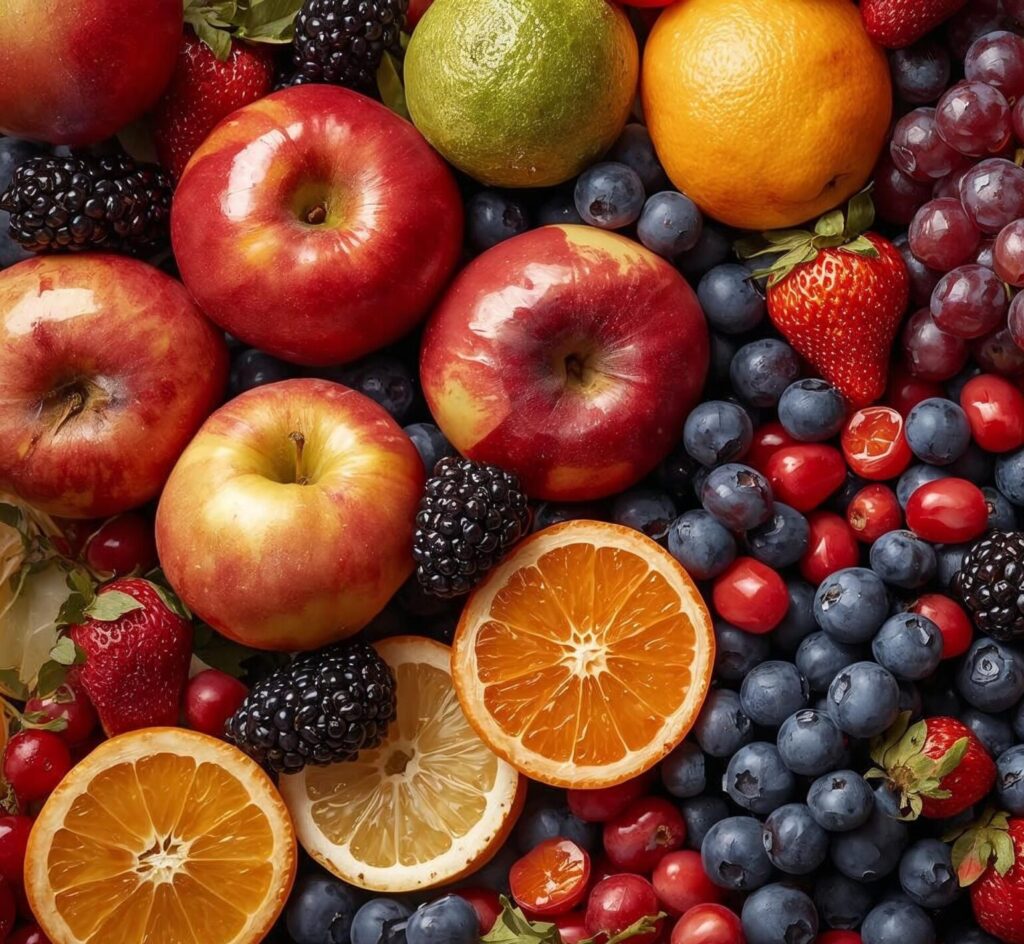
High-Flavonoid Fruits
- Apples (especially the skin)
- Berries (blueberries, strawberries, blackberries)
- Grapes (particularly red and purple varieties)
- Citrus fruits (oranges, lemons, grapefruits)
- Cherries and cranberries
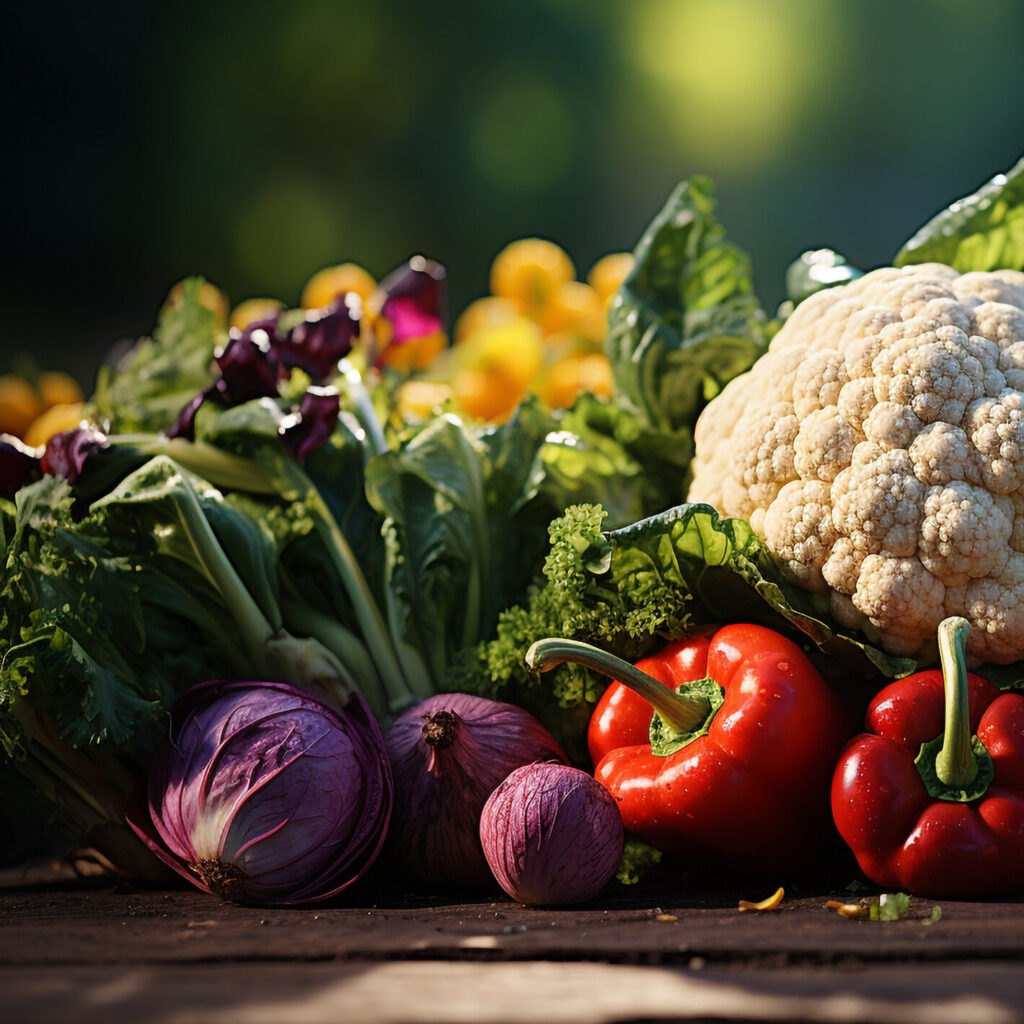
Flavonoid-Rich Vegetables
- Onions (highest in outer layers)
- Broccoli and kale
- Red cabbage and spinach
- Bell peppers (especially red and yellow)
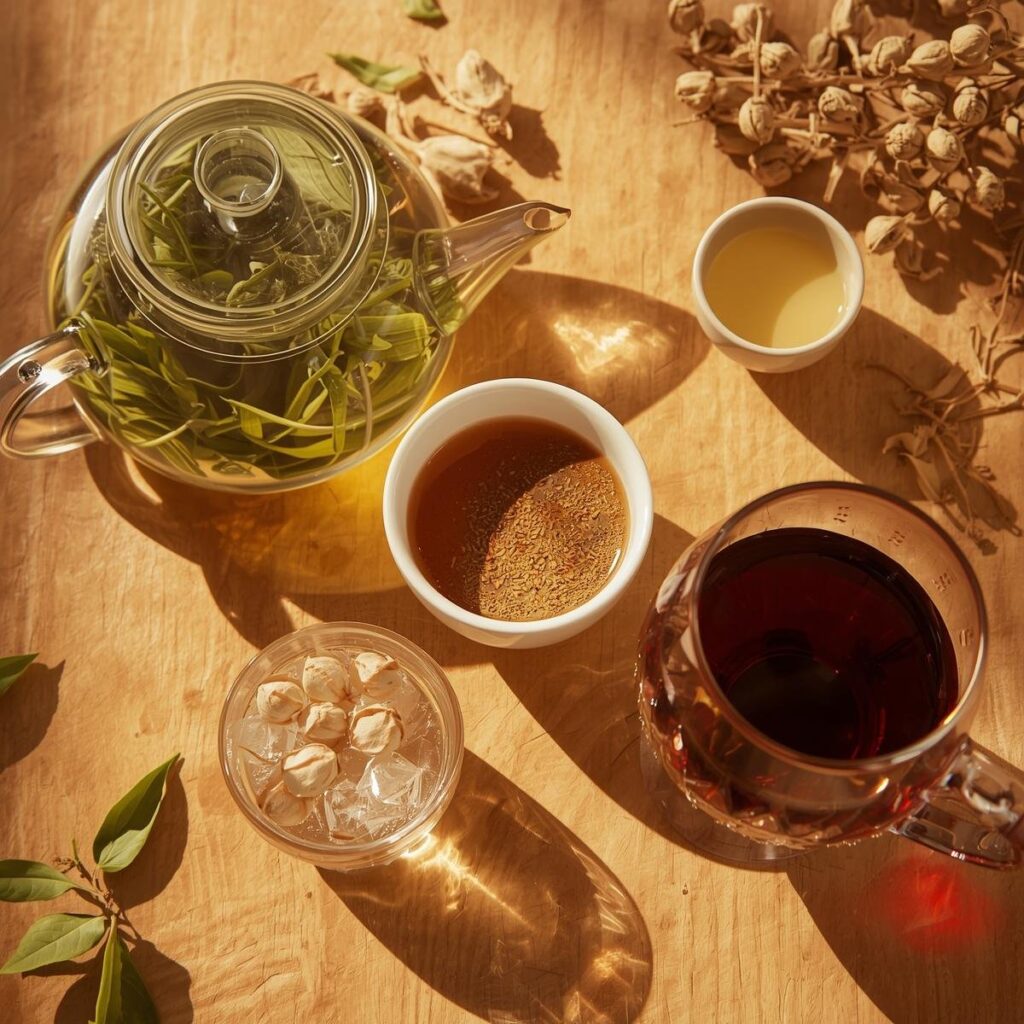
Beverages High in Flavonoids
- Green tea and white tea
- Coffee (especially less processed varieties)
- Red wine (in moderation)
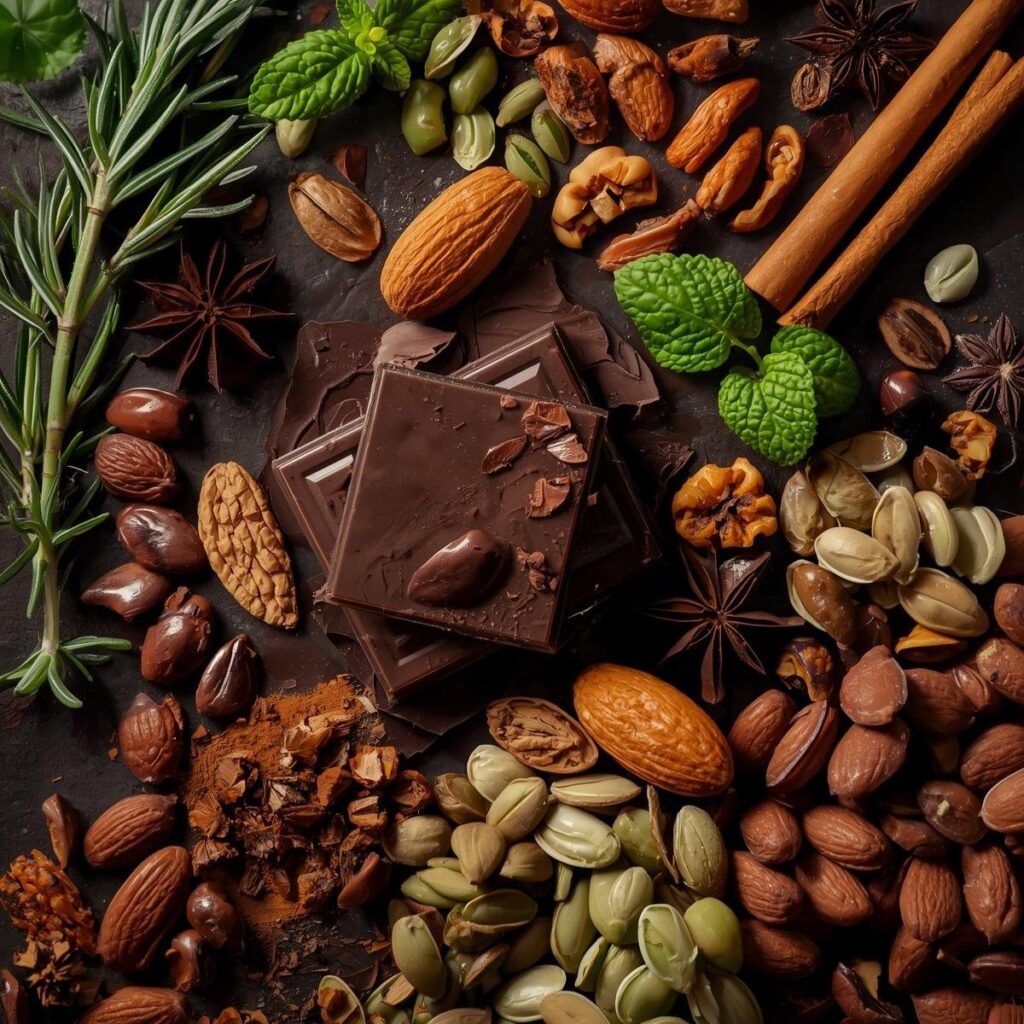
Other Natural Sources
- Dark chocolate (70% cacao or higher)
- Herbs and spices
- Nuts and seeds
How Do Flavonoids Work? The Science Behind Plant Compound Benefits
Understanding how flavonoids work in your body helps explain why these natural antioxidants are so beneficial for human health. When you consume flavonoid-rich foods, these compounds travel through your digestive system and into your bloodstream, where they can influence many of your body’s natural processes:
Natural Antioxidant Protection
Flavonoids help neutralize harmful free radicals that can damage your cells. Free radicals are created naturally through normal metabolic processes, but environmental factors like pollution, stress, and poor diet can create an overload that contributes to aging and various health challenges.
Supporting Healthy Inflammation Response
Your body uses inflammation as a natural response to injury or threats. Plant compounds like flavonoids help support your body’s ability to manage this inflammatory response appropriately, preventing chronic inflammation that can harm long-term health.
Metabolic and Cardiovascular Support
Research suggests certain flavonoids may support healthy blood sugar metabolism, cardiovascular function, and other metabolic processes that are important for overall wellness. Studies on quercetin, myricetin, and chlorogenic acid show particularly promising results.
Cellular Health and Longevity
Flavonoids support cellular health by protecting against oxidative damage and supporting the body’s natural repair processes. This cellular protection may contribute to healthy aging and overall vitality.
Why Most People Don't Get Enough Flavonoids
Despite flavonoids being found in many common foods, most people today consume far fewer beneficial plant compounds than our ancestors did. Several factors contribute to this modern flavonoid deficiency:
Modern Food Processing Removes Flavonoids
Many processing methods remove the parts of plants where flavonoids are most concentrated. For example, apple juice removes the skin where most antioxidants are found, and grape juice eliminates the flavonoid-rich skins.
Extended Food Storage and Transportation
Long storage times and cross-country transportation can significantly reduce flavonoid content in fruits and vegetables by the time they reach your table.
Standard American Diet Patterns
Many people don’t consume the recommended 5-9 servings of fruits and vegetables daily where natural antioxidants are most abundant.
Preparation Methods
Some cooking and food preparation methods can reduce flavonoid content, particularly when the nutrient-rich peels and skins are removed.
Seasonal Availability
Traditional diets included seasonal variety that naturally provide different types of flavonoids throughout the year, while modern diets often lack this diversity.
The Three Key Flavonoids:
Quercetin, Myricetin, and Chlorogenic Acid

Dr. Ahrens identified three specific flavonoids that traditional diets naturally provided together, but modern food processing has separated
Quercetin: The Most Researched Flavonoid
- Best food sources: Grape skins, red onions, apples with skin, berries
- Traditional consumption: Naturally consumed through whole fruits and vegetables
- Research focus: Extensively studied for antioxidant properties and cardiovascular support
- Why it’s missing: Modern food processing removes skins and peels where quercetin is concentrated
Myricetin: The Cellular Protector
- Best food sources: Onion skins, berries, certain tree barks, grapes
- Traditional consumption: Included in traditional food preparation methods
- Research focus: Studied for potential metabolic support and cellular protection
- Why it’s missing: Outer layers of vegetables are typically discarded in modern cooking
Chlorogenic Acid: The Metabolic Supporter
- Best food sources: Green coffee beans, apples, pears, cherries, plums, tomatoes, artichokes, eggplant, potatoes, sunflower seeds
- Traditional consumption: Present in less processed coffee and whole plant foods
- Research focus: Investigated for glucose metabolism support and cardiovascular benefits
- Why it’s missing: Coffee roasting destroys most chlorogenic acid content
The Power of Flavonoid Combinations
Why Synergy Matters
Dr. Ahrens’ groundbreaking research revealed something crucial about how flavonoids work: these plant compounds were naturally consumed together in traditional diets, and they may work better as a team than individually.
Natural Combination in Traditional Diets
When our ancestors ate grapes, they consumed the whole fruit including skins rich in quercetin and myricetin. When they prepared onions, they often used outer layers containing both quercetin and myricetin. Coffee was consumed in less processed forms that retained chlorogenic acid.
The Science of Synergy
Research suggests that flavonoids may work synergistically—meaning the combined effect of these compounds working together may be greater than what each could achieve alone.
Modern Separation, Ancient Wisdom
Modern food processing has systematically separated these compounds that nature—and traditional diets—provided as a complete package. Understanding this separation helps explain why returning to these natural combinations through whole foods or targeted supplementation may be beneficial.
EMULIN
Recreating Traditional Flavonoid Combinations
EMULIN represents a return to the natural flavonoid combinations that traditional diets provided. Rather than taking isolated compounds, EMULIN recreates the synergistic relationship between quercetin, myricetin, and chlorogenic acid that our ancestors consumed naturally.
The Missing Link in Modern Nutrition
This combination approach addresses what Dr. Ahrens identified as a fundamental gap in modern nutrition, the loss of beneficial plant compound combinations that supported human health for thousands of years.
Evidence-Based Formulation
The specific ratios in EMULIN are based on research into how these compounds work together, not arbitrary combinations. This scientific approach ensures that the synergistic benefits observed in traditional diets can be recreated through modern supplementation.
Frequently Asked Questions
About Flavonoids
What are the main benefits of flavonoids?
Flavonoids provide antioxidant protection, support healthy inflammation response, and may help with metabolic and cardiovascular wellness. Research shows they support cellular health and natural aging processes.
Which foods have the most flavonoids?
Berries, dark leafy greens, colorful fruits and vegetables, green tea, and dark chocolate are among the richest natural sources of flavonoids.
The key is eating a variety of colorful plant foods.
Can you get enough flavonoids from food alone?
While a diet rich in fruits and vegetables provides beneficial flavonoids, modern food processing and storage methods may reduce the amounts available. Additionally, getting the specific combinations of quercetin, myricetin, and chlorogenic acid that traditional diets naturally provided can be challenging with today’s food system. This is why EMULIN was developed to recreate the natural flavonoid combinations that supported human health for centuries but have been largely lost in modern eating patterns. Many people may benefit from targeted supplementation to achieve these traditional nutrient combinations.
Are flavonoid supplements safe?
Flavonoids from food sources and quality supplements are safe for most people. However, they can interact with certain medications. Always consult your healthcare provider before starting new supplements.
How do flavonoids compare to other antioxidants?
Flavonoids are among the most studied and abundant antioxidants in the human diet. They offer unique benefits beyond simple antioxidant activity, including specific support for metabolic and cardiovascular health.
What's the difference between flavonoids and other phytonutrients?
Flavonoids are a specific class of phytonutrients (plant nutrients) known for their antioxidant properties and vibrant colors. They’re among the most beneficial and well-researched phytonutrients for human health.
EMULIN® is a patented dietary supplement designed to restore the natural flavonoid combinations found in traditional diets.
This content is for educational purposes only and is based on published scientific research. It is not intended as medical advice. Always consult a healthcare provider before beginning any dietary supplement.
These statements have not been evaluated by the Food and Drug Administration. This product is not intended to diagnose, treat, cure, or prevent any disease.
